

ABA Bank and World Vision strengthen financial literacy for rural communities
10/Aug/2026

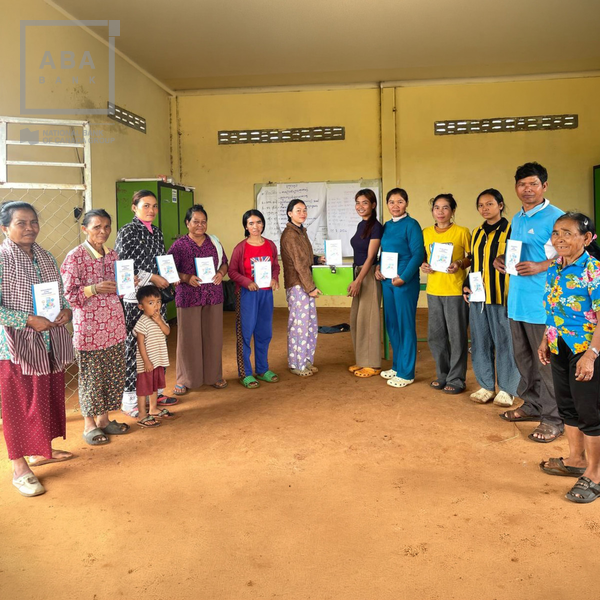

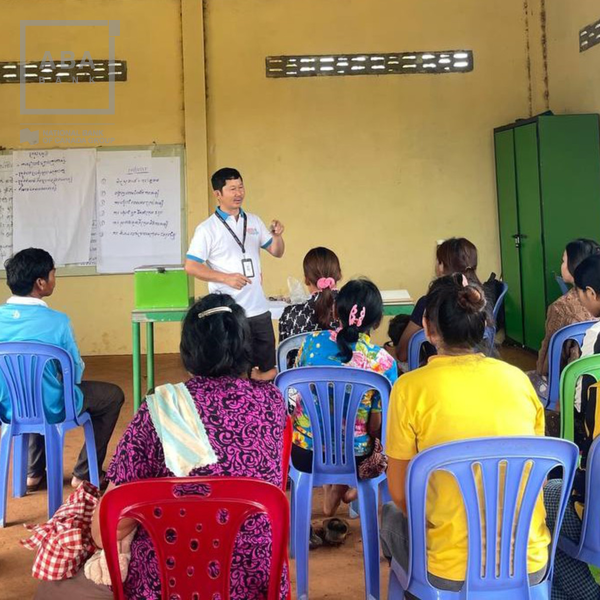

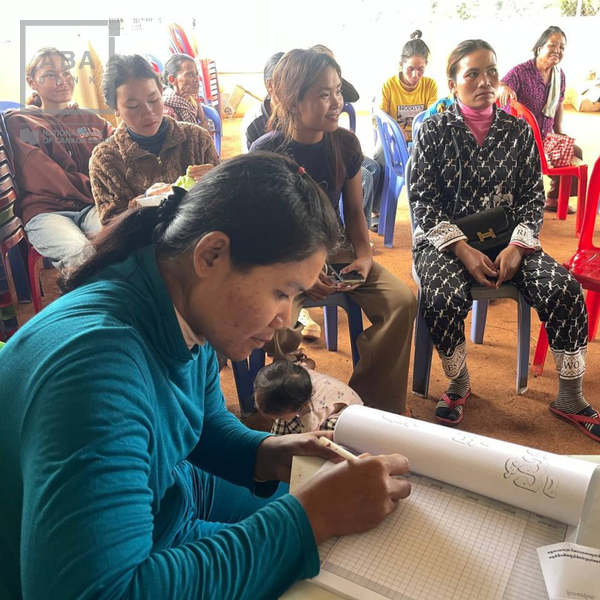

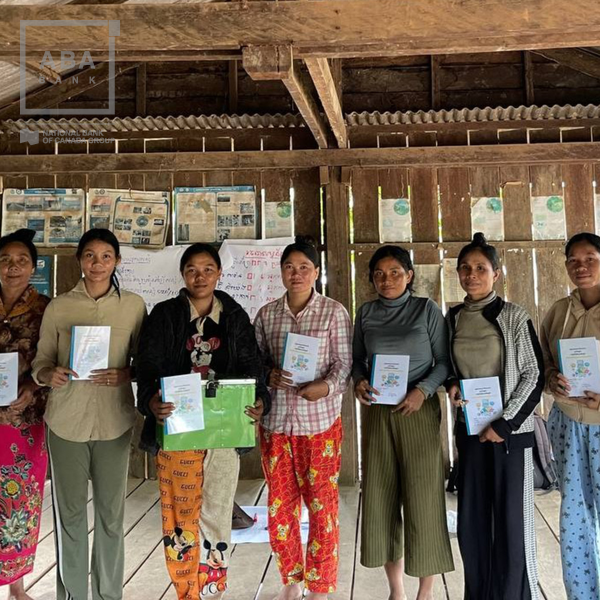
The first phase of the Women's Financial Empowerment project has reached 278 community members, including 197 women, in Kaev Seima, Mondulkiri.
Building on the shared mission to drive inclusive economic growth, ABA Bank and World Vision successfully concluded the first phase of their joint program to foster financial literacy among vulnerable communities in Kaev Seima, Mondulkiri Province.
For many families in remote areas, managing household finances is a daily hurdle, and formal financial solutions have felt out of reach. To bridge this gap, the Women's Financial Empowerment for Lasting Economic Growth (WFE) project was designed to deliver mentorship and financial awareness training sessions to women in rural communities, giving them the knowledge to take control of their financial futures.
Started in February 2026, the WFE project has achieved significant milestones since training sessions officially commenced. The initiative has already reached 278 community participants, 197 of whom are women.
Behind these numbers are local mothers, wives, and aspiring entrepreneurs who are gaining life-changing practical skills. For many, these training sessions mark their first opportunity to learn structured budgeting and financial decision-making.
Uncle Seanvet, the village leader, has witnessed first-hand the positive changes in his community through financial literacy training.
"I am very happy to see my community receive financial literacy training. It has increased their knowledge and capacity to manage their family income and spending more effectively. Saving regularly helps families prepare for the future and invest in their children's education, health, and nutritious food," he stated.
Through the program, participants are experiencing direct and tangible benefits such as budgeting, savings, responsible borrowing, financial planning for family needs, and forming savings groups.
These skills are equipping them to mitigate financial risks and create sustainable livelihoods, ultimately contributing to broader financial inclusion and community development.
Lita, a 30-year-old local farmer, expressed her thoughts on the project, "Before attending the Financial Literacy training, I didn't know how to manage the profit I earned. I often worried about daily expenses and had difficulty making decisions in my life. After completing the training, I learned how to distribute my finances properly. Now, I can make better decisions about what to save and what to spend on family needs."
With activities continuing ahead of the project's scheduled completion in October 2026, ABA Bank remains committed to uplifting rural communities and ensuring that those in remote areas have the knowledge and opportunity required to make sound financial decisions.